

Relocating to a new home ranks among life's most thrilling yet demanding experiences, particularly when it comes to transporting large household appliances. Among these, the refrigerator poses unique challenges that require careful planning and preparation. Understanding the proper procedures for unplugging, defrosting, and transporting your fridge ensures not only the longevity of the appliance itself but also helps prevent food spoilage and unnecessary repair expenses down the line. Whether you're navigating the narrow streets of Brighton or simply moving across town, mastering these essential steps will make your transition smoother and more cost-effective.
Preparing Your Fridge for the Move: Essential Steps and Timing
When to Unplug: The 24-Hour Rule for Safe Refrigerator Transport
The cornerstone of successful refrigerator relocation lies in respecting the critical timing requirements. Experts universally recommend unplugging your fridge at least 24 hours before the scheduled move. This extended period allows the compressor oil, which is essential for lubricating internal components and maintaining cooling efficiency, to settle properly. Frost-free models, which typically prevent ice buildup through automated cycles, benefit particularly from this waiting period as it gives the system time to complete its final defrost cycle naturally. Manual defrost models, whilst requiring more hands-on attention, also need this full day to ensure all internal moisture evaporates completely. Rushing this process risks water damage to your floors and vehicle during transport, whilst potentially compromising the refrigerator's cooling capacity once reinstalled. The compressor oil needs time to drain back into its reservoir, and moving the appliance too soon after disconnection can cause this vital fluid to migrate into the cooling lines where it doesn't belong. This seemingly simple step of timing your disconnection properly can mean the difference between a fridge that works perfectly at your new address and one requiring costly professional repairs.
Defrosting and Emptying: Preventing Water Damage and Food Waste
Once you've unplugged your appliance, the defrosting process begins in earnest. The freezer compartment, which typically maintains temperatures below minus eighteen degrees Celsius, will start releasing accumulated ice and frost. Placing towels around the base of your fridge-freezer catches the resulting water and protects your flooring from damage. Meanwhile, the refrigerator compartment, usually kept between one and four degrees Celsius, also requires attention. Emptying all contents well before moving day presents an opportunity to reduce waste through thoughtful planning. Consider donating unopened, unexpired items to local food banks or community fridges in your area. These organisations welcome contributions and ensure your surplus provisions benefit families in need rather than ending up in landfill. Perishable items that cannot be donated might be suitable for composting, particularly vegetable scraps and certain dairy products. The cleaning phase follows naturally once the interior is empty and defrosted. A solution of baking soda mixed with warm water provides a safe, effective method for wiping down all surfaces, eliminating odours, and removing any lingering residue. Some households prefer using vinegar for its natural deodorising properties, though this should be diluted appropriately. Securing removable parts such as shelves and drawers prevents them from shifting during transport. Tape them firmly in place or remove them entirely and pack them separately with adequate cushioning. This attention to internal components protects both the fridge structure and the removable elements from damage.
Safe transport techniques: protecting your appliance during the journey
Securing internal components and maintaining upright positioning
The physical transportation of your refrigerator demands careful consideration of positioning and handling. Maintaining the appliance in an upright position throughout the journey is absolutely crucial for preserving its refrigeration capacity. When a fridge tilts significantly or travels on its side, the compressor oil can flow into the cooling coils and refrigerant lines, potentially causing blockages or reducing efficiency. Whilst some manufacturers allow brief periods of angled transport, keeping the unit vertical eliminates any risk. Moving straps designed specifically for appliances provide the security needed to keep your fridge stable within the moving vehicle. These straps distribute weight evenly and prevent the appliance from shifting during acceleration, braking, or cornering. The narrow streets characteristic of historic areas like Brighton present additional challenges for manoeuvring large items. Planning your route in advance, measuring doorways and staircases, and identifying potential obstacles saves considerable time and frustration on moving day. Taking precise measurements ensures your fridge will actually fit through all passages between your old and new homes. Nothing disrupts a carefully planned move quite like discovering your appliance won't pass through a critical doorway. Heavy lifting techniques matter enormously when handling such substantial items. Bending at the knees rather than the waist, keeping your back straight, and using your leg muscles prevents injury. Never attempt to lift or move a full-sized refrigerator alone, regardless of your physical fitness.
Using proper equipment: dollies and professional moving services
An appliance dolly represents perhaps the single most valuable tool for refrigerator relocation. These specialised wheeled platforms are specifically designed to support the weight and dimensions of large appliances whilst allowing one or two people to manoeuvre them with relative ease. The dolly's straps secure the fridge firmly to the platform, and its wheels handle the bulk of the weight during transport. For those without access to such equipment, hiring professional moving services provides comprehensive solutions. Companies like Ark Removals bring not only the necessary tools but also the expertise developed through countless appliance relocations. Professional movers understand the nuances of navigating tight spaces, protecting both the appliance and your property from damage, and ensuring everything arrives safely at your destination. Their experience proves particularly valuable when dealing with historic buildings where staircases might be narrow or unusually shaped. When selecting a reliable moving company, consider several key factors beyond price alone. Experience with appliance moving specifically indicates they understand the unique requirements of refrigerators and other large household items. Reputation within the community, verified through reviews and recommendations, provides insight into their reliability and care. Adequate insurance coverage protects you financially should anything unexpected occur during the move. Whilst professional services represent an additional expense, they often prove cost-effective when weighed against the risk of appliance damage, personal injury, or property damage that can result from improper handling. The peace of mind and efficiency they provide allows you to focus on other aspects of your relocation.
Setting Up at Your New Home: Post-Move Care and Reconnection
Cleaning and Preparing the Interior Before Plugging In
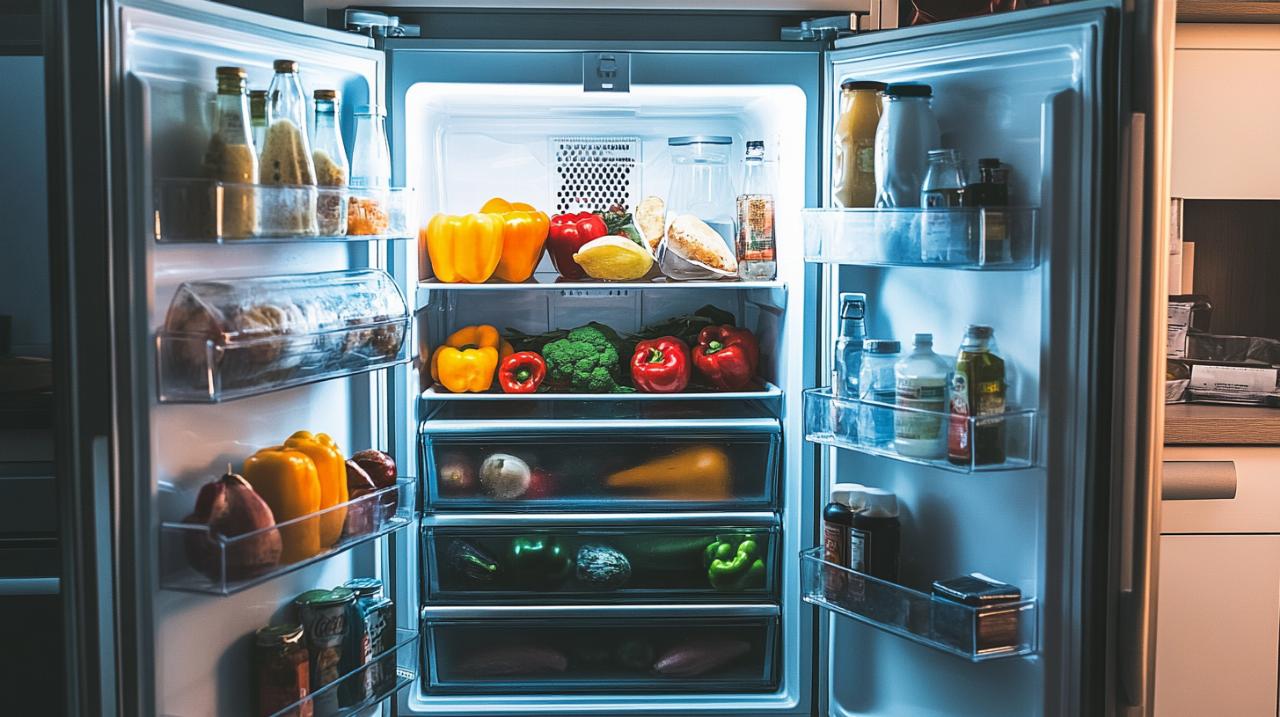
Upon arrival at your new residence, resist the temptation to immediately plug in your refrigerator. The appliance requires a settling period of at least two hours, though many experts recommend waiting four to six hours, particularly if the fridge experienced any tilting during transport. This rest time allows the compressor oil to flow back to its proper location within the system. Using this waiting period productively, conduct a final cleaning of the interior using the same baking soda solution employed before the move. Transport inevitably introduces dust and potential debris, and this fresh cleaning ensures a hygienic environment for your food. Inspect the door seals carefully, checking for any damage that might have occurred during relocation. These rubber gaskets form the crucial barrier that maintains internal temperatures, and even small tears or gaps can significantly reduce efficiency and increase energy costs. If you notice any issues, replacement seals are readily available and relatively simple to install. Before loading any food items, consider the organisation of your fridge-freezer. Fresh starts in new homes provide excellent opportunities to implement more efficient storage systems that maintain proper food safety and reduce waste. Designate specific zones for different food categories, ensuring raw meats remain on lower shelves where they cannot drip onto other items. Understanding that the refrigerator compartment maintains temperatures between one and four degrees Celsius helps you place items appropriately, with the coldest areas typically found at the back and bottom.
Electrical safety checks and temperature stabilisation
Before connecting your fridge to the electrical supply, conduct thorough safety checks of both the appliance and the outlet. Examine the power cord for any signs of damage sustained during the move, including fraying, exposed wires, or bent prongs. Inspect the outlet itself, ensuring it provides the appropriate voltage and amperage for your appliance. Modern refrigerators typically require dedicated circuits to handle their power demands safely. If you have any doubts about the electrical wiring at your new property, consulting a qualified electrician before plugging in prevents potential hazards. Some landlords conduct pre-tenancy checks on appliances and electrical systems, but if you're purchasing or if such checks weren't performed, taking this precautionary step protects your investment. Once you've verified everything is safe, plug in your refrigerator and set it to the manufacturer's recommended temperature settings. The appliance will need several hours to reach optimal cooling temperatures. Frost-free models typically stabilise more quickly than manual defrost versions, but both require patience. Avoid loading the fridge with large quantities of room-temperature or warm food immediately after plugging it in, as this forces the system to work extremely hard and can actually slow the cooling process. Instead, allow it to reach proper temperatures whilst empty or only lightly loaded. After about four hours, check the internal temperature using a fridge thermometer if available. The refrigerator section should register between one and four degrees Celsius, whilst the freezer should reach minus eighteen degrees or colder. Once these temperatures are achieved and stable, you can begin restocking your fridge with confidence. Regular maintenance going forward, including periodic cleaning and checking door seals, ensures your appliance continues operating efficiently for years to come. Should any issues arise, local support for appliance repairs can address problems before they become serious, protecting both your food and your investment in the appliance itself. This comprehensive approach to unplugging, moving, and reconnecting your refrigerator minimises waste, prevents damage, and ensures your appliance serves you well in your new home.
 Christmas during the coronavirus pandemic
 How To Make Your Home Cosier for the Holidays: All you need to know
 How to Decorate on a Budget
 Electrical renovations for your home
 Experience Comfort and Style with the Fluffy Monster Chaise
 Benefits of Professional Air Conditioning Installation in Antibes
 How to Remove Rust from Your Bathtub: Expert Tips for Every Type of Bath
 Struggling with Connection? How to Connect Your Vacuum Robot to Your Home WiFi with a WiFi Extender