
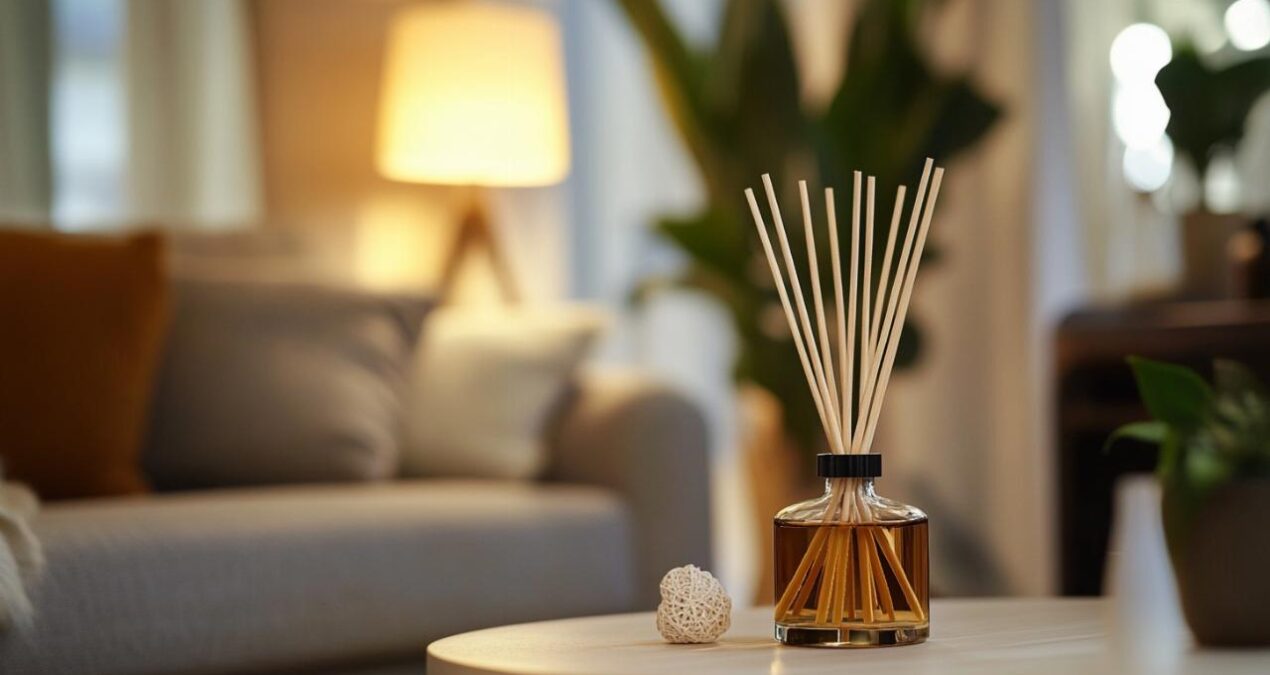
The art of scenting our surroundings has captivated human civilisation for millennia, evolving from sacred rituals performed in ancient temples to the sophisticated home fragrance solutions we enjoy today. Reed diffusers represent a fascinating intersection of historical tradition and contemporary design, offering a flameless and continuous method of filling our homes with delightful aromas. This journey through time reveals how the simple act of dispersing fragrance has transformed from a divine offering into an accessible luxury that enhances our everyday wellbeing and creates inviting atmospheres in modern living spaces.
The Ancient Art of Fragrance: Reed Diffusers Through the Ages
Aromatic Rituals in Ancient Temples and Sacred Spaces
Long before reed diffusers graced our mantlepieces, ancient civilisations recognised the profound power of scent to transform a space and elevate the human spirit. The Egyptians, renowned for their mastery of perfumery, employed natural materials to disperse aromatic compounds throughout their temples and royal chambers. These early practitioners understood that fragrance could create an atmosphere conducive to meditation, worship, and spiritual connection. Priests would carefully select resins, flowers, and precious oils, dispersing them through various methods that laid the groundwork for the diffusion techniques we use today. The Eastern cultures particularly embraced the practice of using reeds and porous materials soaked in aromatic oils, allowing the scents to gently permeate their sacred and domestic spaces. This ancient wisdom recognised what modern science now confirms: that continuous, gentle fragrance delivery can significantly impact mood, focus, and overall sense of comfort.
The Evolution of Scent Delivery from Antiquity to Today
The transition from ancient aromatic practices to contemporary reed diffusers represents centuries of refinement and innovation. Whilst the fundamental principle of capillary action, whereby liquid travels up porous materials, remained constant, the sophistication of both vessel design and fragrance formulation advanced considerably. The modern iteration of reed diffusers emerged prominently in the twentieth century as consumers sought flame-free alternatives to scented candles. Durance, a respected name in home fragrance, perfected the art of reed diffusion throughout the late nineteen eighties and nineteen nineties, establishing standards that many manufacturers still follow today. These developments brought several advantages to the forefront: the absence of an open flame addressed safety concerns, the continuous aroma eliminated the need for constant attention, and the elegant aesthetic complemented various interior design schemes. Natural ingredients became increasingly valued, with brands prioritising botanical extracts and essential oils over synthetic compounds. This evolution reflects a broader cultural shift towards mindful living and appreciation for both beauty and functionality in our domestic environments.
Mastering your reed diffuser: a practical guide for modern homes
Selecting the Right Reeds and Fragrance Oils for Optimal Diffusion
The success of your reed diffuser depends significantly on choosing quality components that work harmoniously together. Natural rattan reeds remain the gold standard, as their porous structure creates numerous channels through which fragrance oil can travel via capillary action. When selecting fragrance oils, consider both the composition and concentration. Premium diffusers often feature oils blended with a carrier base that facilitates proper wicking whilst preserving the integrity of the scent profile. Popular fragrance families include floral notes such as orange blossom and jasmine, fresh combinations like lime, basil and mandarin, and warm aromatic blends featuring lemongrass and ginger. The concentration of fragrance oil affects both longevity and intensity, with higher quality formulations providing sustained diffusion over several weeks. Some enthusiasts enjoy creating bespoke atmospheres by mixing complementary scents, though this requires understanding which aromatic families blend harmoniously. The number of reeds you use directly influences fragrance strength, allowing customisation based on room size and personal preference. Generally, smaller spaces require fewer reeds, whilst larger areas benefit from a fuller bouquet that disperses scent more effectively throughout the volume.
Maintenance tips: flipping reeds and refilling your diffuser
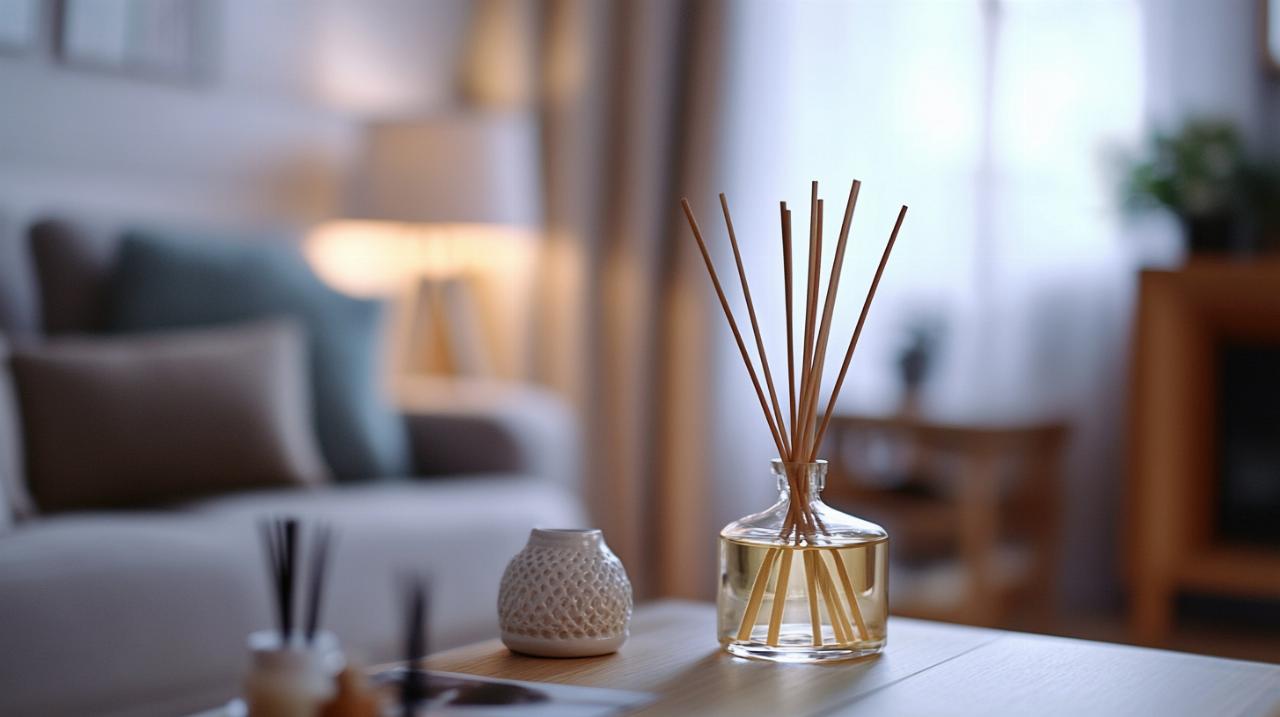
Maintaining your reed diffuser requires minimal effort yet yields significant benefits in fragrance performance and longevity. Regular flipping of the reeds, ideally every few days, refreshes the scent intensity by exposing the saturated end to air whilst allowing the dry end to absorb more oil. This simple action prevents the reeds from becoming completely saturated on one end, which would diminish their diffusion capacity. When performing this task, take care to flip the reeds over a protected surface, as any oil droplets can potentially damage furniture finishes. As the fragrance oil depletes over time, you will notice the scent becoming fainter, indicating the need for a refill. Quality diffuser refills offer an economical and environmentally conscious alternative to purchasing entirely new units. When refilling, first remove the old reeds, as they will have become clogged with residual oil and dust particles that impair their effectiveness. Clean the vessel thoroughly before adding fresh oil and new reeds to ensure optimal performance. The combination of proper maintenance and timely refilling ensures your diffuser continues to provide the delicate aroma that enhances your living space without interruption.
Creating the Perfect Ambience: Placement and Safety Considerations
Choosing Ideal Locations Away from Heat and Sunlight
Strategic placement of your reed diffuser maximises both its effectiveness and safety within your home. Position your diffuser in well-ventilated areas where air circulation naturally distributes the fragrance throughout the space. However, avoid locations with excessive airflow, such as directly beneath air conditioning vents or beside frequently opened windows, as this accelerates oil evaporation without proportionally increasing scent distribution. Direct sunlight presents another concern, as ultraviolet rays can degrade both the fragrance oils and the carrier base, altering the intended scent profile and potentially discolouring the liquid. Similarly, heat sources including radiators, fireplaces, and kitchen appliances should be avoided, as elevated temperatures increase evaporation rates and pose fire risks despite the flameless nature of reed diffusers. The oil itself remains flammable, making proximity to heat sources inadvisable. Ideal locations include console tables in entrance halls, bedroom dressing tables away from windows, bathroom counters with adequate ventilation, and living room sideboards positioned in central yet protected spots. These placements ensure the fragrance enhances your space whilst the diffuser remains secure from environmental factors that could compromise its performance or safety.
Balancing Room Size with Reed Quantity for Proper Scent Distribution
Achieving the perfect fragrance intensity requires understanding the relationship between room dimensions and the number of reeds employed. Smaller spaces such as bathrooms, cloakrooms, and compact bedrooms typically require fewer reeds, perhaps between three and five, to avoid overwhelming the senses with excessive scent. Medium-sized rooms including standard bedrooms and home offices benefit from a moderate approach, utilising five to eight reeds that provide noticeable yet not overpowering fragrance. Larger areas such as open-plan living spaces, expansive master bedrooms, or entrance halls with high ceilings may require the full complement of reeds, often eight to twelve, to ensure adequate scent distribution throughout the volume. Beyond quantity, safety considerations extend to keeping diffusers out of reach of children and pets, as the fragrance oils can cause irritation if ingested or brought into contact with eyes. The vessel itself, whilst decorative, should be stable and positioned where it cannot be easily knocked over. By thoughtfully considering both the practical aspects of scent diffusion and the safety requirements of your household, you create an environment that benefits from continuous aromatic enhancement without compromising wellbeing. This balanced approach transforms your reed diffuser from a simple home accessory into an integral element of your living space that contributes to comfort, atmosphere, and the subtle luxury of a beautifully scented home.