There's something undeniably captivating about the gentle allure of French country homes, where rustic charm meets understated elegance in a way that feels both timeless and effortlessly inviting. This design aesthetic, rooted in the rural landscapes of Provence and the Loire Valley, has long inspired homeowners across Britain to bring a touch of that countryside magic into their own spaces. Whether you live in a converted barn in the Cotswolds or a terraced house in London, embracing this style can transform your home into a sanctuary of warmth and character.
Essential elements of french country home design
At the heart of french country home inspiration lies a delicate balance between rustic simplicity and refined taste. This style doesn't shout for attention but rather whispers its presence through carefully chosen details and a soothing colour palette. The foundation of this aesthetic is built upon natural materials, weathered finishes, and a muted selection of hues that evoke the gentle light of the French countryside. Unlike more formal design schemes, the French country approach celebrates imperfection and the beauty of aged surfaces, creating spaces that feel lived-in and welcoming from the moment you step inside.
Natural materials and weathered textures
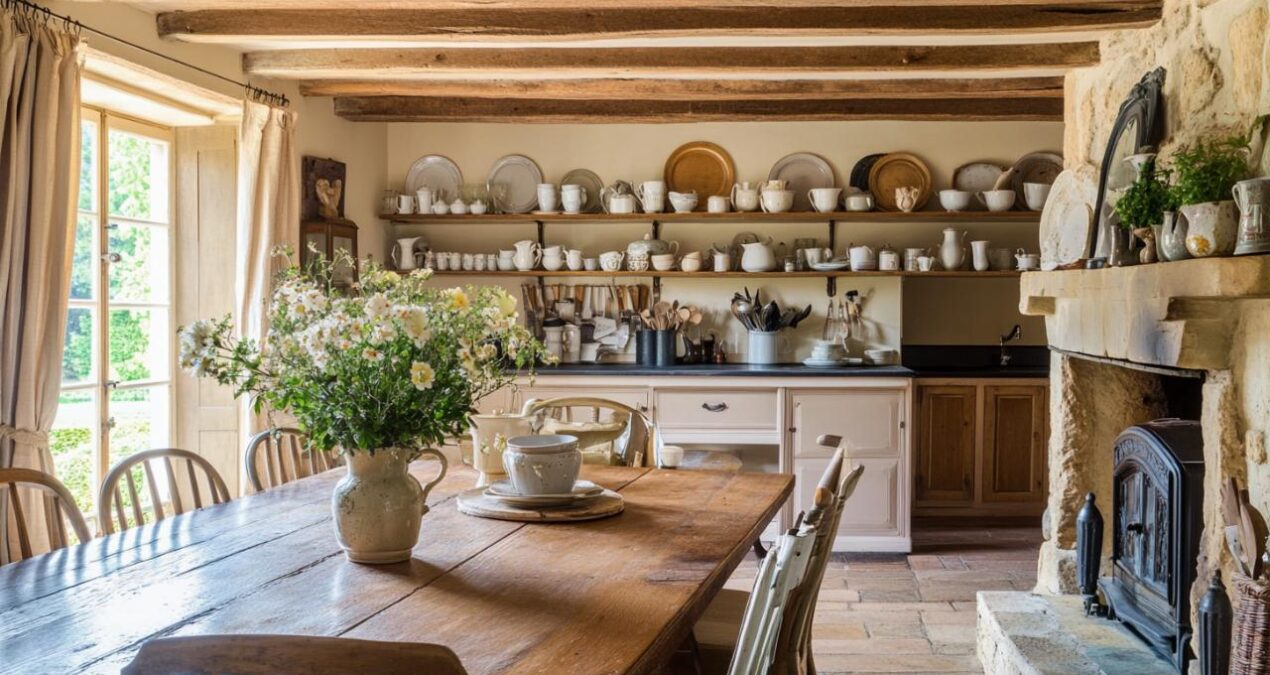
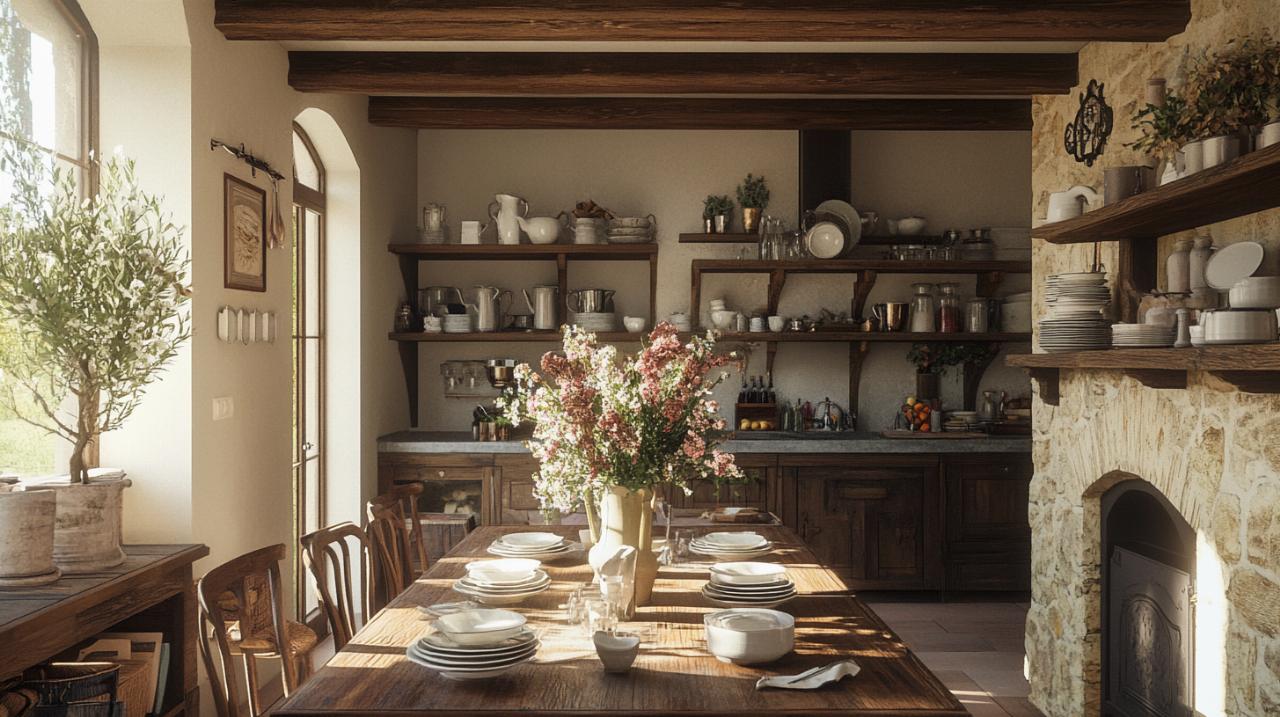
The essence of this design philosophy reveals itself most clearly through the materials that define each room. Exposed timber beams overhead lend architectural interest and rustic character, whilst limewashed or rough-plastered walls provide a soft, textured backdrop that catches light beautifully throughout the day. Underfoot, weathered timber floorboards or checkerboard tiles in terracotta and cream establish a sense of history and groundedness. These aren't pristine, freshly installed surfaces but rather elements that appear to have weathered decades of family life, telling stories through their gentle wear and patina. When selecting furniture, look for pieces crafted from walnut, painted wood with distressed finishes, or aged iron that bears the marks of time. Rush seat chairs, trestle tables with carved timber details, and armoires with cabriole legs all contribute to this collected-over-time aesthetic. The textiles that dress these pieces are equally important, with flax linens, soft velvets, and worn leather adding layers of tactile interest. Patterns such as toile de Jouy, ticking stripes, gingham checks, and delicate florals appear across cushions, curtains, and upholstery, creating visual connections between different areas of the home.
Warm colour palettes and earthy tones
Colour in a French country home doesn't compete for attention but rather sets a serene mood that allows the eye to rest. The palette draws from nature itself, with foundations of off-white, ivory, soft grey, warm taupe, sand, and creamy beige establishing a calm base. Against this neutral backdrop, accent colours emerge like wildflowers in a meadow: French blue reminiscent of faded shutters, lavender echoing the fields of Provence, sage green suggesting kitchen herbs, muted ochre reflecting sun-baked earth, and blush pink adding gentle warmth. These hues appear in unexpected places, perhaps in the linen slipcover on a sofa, the painted finish of a kitchen cabinet, or the glaze on ceramic pitchers displayed on open shelving. Metals also play their part, but always with an aged or burnished finish rather than gleaming shine. Look for fixtures and accessories in aged brass, muted copper, antique silver, or hand-forged iron that complement rather than dominate the overall scheme. This restrained approach to colour creates rooms that feel cohesive and soothing, spaces where one can truly unwind after the demands of modern life.
Bringing french countryside charm to your british home
Translating the essence of a rural French dwelling into a British context requires thoughtful adaptation rather than wholesale transformation. The beauty of this style lies in its flexibility and the way it honours both elegance and practicality. Drawing inspiration from places as diverse as Claude Monet's house in Giverny or a provincial farmhouse in the South of France, you can create rooms that feel authentically connected to this tradition whilst remaining perfectly suited to contemporary living. The key is to focus on atmosphere rather than perfection, allowing each element to contribute to an overall sense of relaxed comfort.
Rustic furniture and vintage accessories
Building a French country interior begins with selecting furniture that carries a sense of history and character. In the dining room, consider a sturdy trestle table surrounded by painted rush seat chairs or Louis XV-style side chairs with carved details and linen upholstery. A wooden bench along one wall adds informal seating whilst enhancing the farmhouse feel. For the sitting room, opt for low-profile seating dressed in natural linen or cotton slipcovers that can be removed and laundered, keeping things practical as well as beautiful. An upholstered ottoman provides additional seating and a place to rest tired feet, whilst a wooden coffee table with a weathered finish serves as both a functional surface and a display area for collected treasures. In the bedroom, an iron bed frame or carved timber bed becomes the focal point, dressed in white cotton sheets, linen or velvet bedcovers, and cushions in floral tapestry or toile patterns. A rattan headboard offers a lighter alternative that still maintains the natural material emphasis central to this style. Antique bedside tables, perhaps sourced from a local market or vintage shop, complete the scene. Lighting throughout the home should feel both functional and decorative, with French chandeliers in crystal or distressed wood suspended in dining areas, lantern-style pendants illuminating kitchens, and table lamps with carved timber or chalky ceramic bases topped with plain linen or floral shades providing softer ambient light in living spaces and bedrooms. Wall sconces and vintage-style candelabras add romantic touches in hallways and bathrooms.
Creating inviting spaces with provincial character
The magic of French country design truly comes alive in the layering of accessories and living elements that give each room its unique personality. In the kitchen, display copper cookware on open shelving alongside ceramic pitchers, wicker baskets, and wooden utensils that are both beautiful and practical. A Delft tile backsplash or Portuguese tiles add visual interest, whilst retro brass faucets and a traditional range cooker anchor the space with vintage charm. Linen towels draped over the rail of an Aga or hung from hooks near the sink introduce softness and texture. Fresh herbs in terracotta pots on the windowsill bring the garden inside whilst filling the air with their fragrance. Moving into the living and dining areas, the focus shifts to creating comfort through textiles and collected objects. Linen curtains filter natural light gently, whilst vintage landscape paintings, botanical prints, or still-life oil paintings in gilt frames adorn the walls. White ceramic plates displayed on a wall-mounted plate rack add sculptural interest, and fresh flowers arranged loosely in ceramic jugs or vintage pitchers bring colour and life to side tables and mantels. Old books stacked casually, brass candlesticks holding real candles, and antique cutlery displayed in glass jars all contribute to the sense of a home assembled gradually over time rather than decorated in a single shopping trip. In the bathroom, create a spa-like retreat with a ceramic or porcelain sink, retro brass faucets, plush towels, wicker baskets for storage, and glass bottles filled with scented soaps or bath salts. An antique mirror above the sink reflects light beautifully, whilst vintage wall sconces on either side provide flattering illumination. Scented candles in heavy glass vessels or oil burners with natural fragrances transform the daily ritual of bathing into something special. Throughout the home, natural fibre rugs in jute or sisal define seating areas and add warmth underfoot, whilst vintage wool rugs in Persian or Aubusson patterns introduce pattern and colour in more formal spaces. The overall effect is one of collected elegance, where each piece has been chosen with care and contributes to an atmosphere that prizes comfort, beauty, and the pleasure of simple, well-crafted things.