
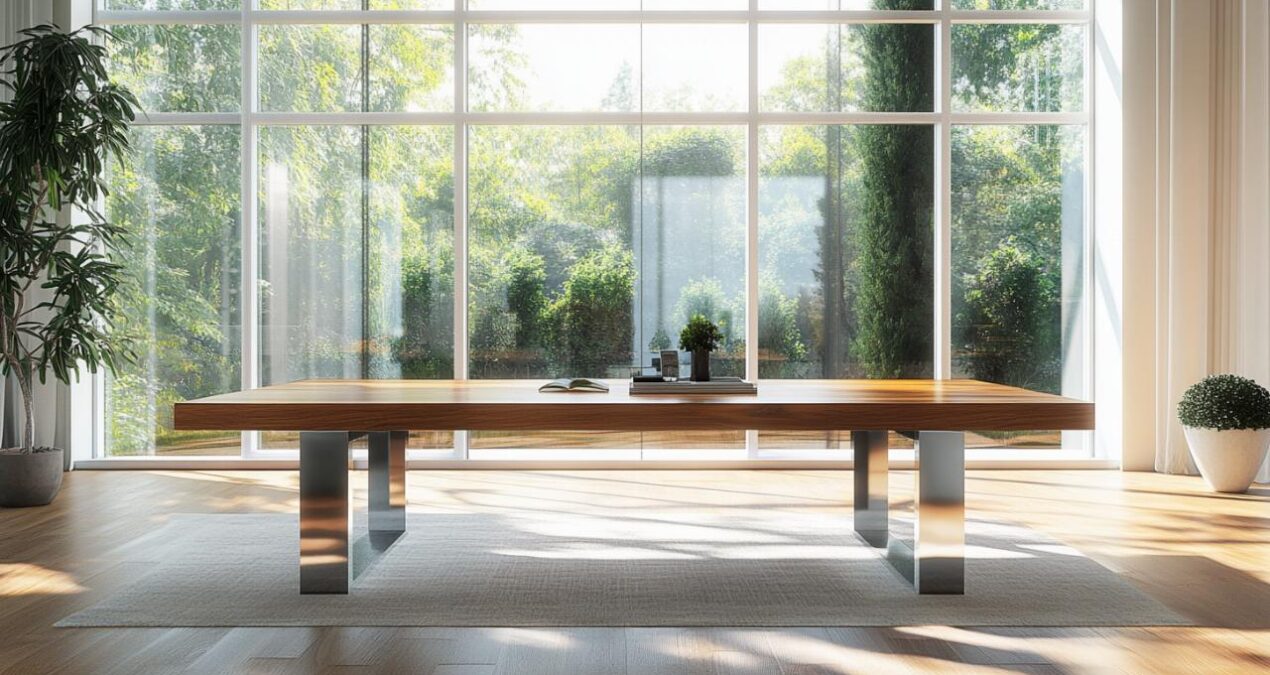
Transforming the surfaces around your home requires nothing more than a thoughtful approach and the right materials at your disposal. Whether you are working with aged timber or contemporary metalwork, enhancing their appearance and safeguarding them against the rigours of daily life can be achieved through three straightforward methods. Each technique offers distinct benefits and can be tailored to suit a variety of interior and exterior applications, ensuring that every piece you treat not only looks splendid but also endures the test of time.
Oil Treatments: Nourishing Wood and Metal for Long-Lasting Beauty
Applying wood oil remains one of the most celebrated approaches to finishing timber, primarily because it replenishes the natural oils that diminish over the years. This method penetrates deeply into the fibres, offering robust protection against weathering, ultraviolet degradation, fungal growth, and the inevitable wear and tear that comes with everyday use. The beauty of oil treatments lies in their ability to maintain the organic character of the material whilst fortifying it from within, making them ideal for those who appreciate a natural wood look without the glossy veneer of surface coatings.
Selecting the Right Oil Products for Different Surfaces and Grain Types
The market offers a diverse range of oils, each formulated to address specific requirements depending on the surface, finish preference, wood type, and even colour. For interior projects where elegance and subtlety are paramount, Osmo Polyx-Oil Original stands out as a reliable choice, delivering a durable finish that complements living spaces beautifully. When it comes to outdoor decking, Sadolin Clear Decking Oil provides the necessary resilience to withstand foot traffic and the elements, ensuring your outdoor areas remain inviting throughout the seasons. Kitchen worktops, which endure constant exposure to moisture and heat, benefit greatly from Osmo Top Oil, a product designed to protect surfaces that see intensive daily use. Similarly, Osmo Door Oil offers tailored protection for entrance and internal doors, which face their own unique challenges. Understanding the specific demands of each surface allows you to select an oil that not only enhances the grain but also extends the life of the wood considerably.
Proper Application Techniques and Maintenance Schedules for Oiled Finishes
Before commencing with oil application, it is essential to ensure the wood is both clean and thoroughly dry. Testing a small, inconspicuous area first is a prudent step, allowing you to confirm compatibility and desired results. While sanding between coats is not always necessary, it can help achieve a smoother finish, particularly on surfaces with pronounced grain patterns. Once applied, oiled surfaces typically require a curing period of approximately two to three weeks before they reach full hardness and resilience. During this time, it is advisable to treat the area gently and avoid exposing it to harsh conditions. When it comes to ongoing maintenance, regular cleaning with mild solutions is recommended, as strong detergents can strip away the protective oils and compromise the finish. By adhering to these practices, your oiled wood and metal will retain their lustre and integrity for many years to come.
Wax finishes: achieving matte, satin and glossy protection
Wax has long been cherished for its ability to impart a soft, tactile finish that feels as pleasing to the touch as it looks to the eye. This method offers versatility in terms of sheen, allowing you to achieve anything from a matte appearance to a satin glow or even a glossy surface, depending on the number of layers applied and the buffing technique employed. Wax finishes create a protective barrier that sits atop the material, shielding it from minor scratches and everyday handling whilst enhancing the depth and richness of the underlying grain.
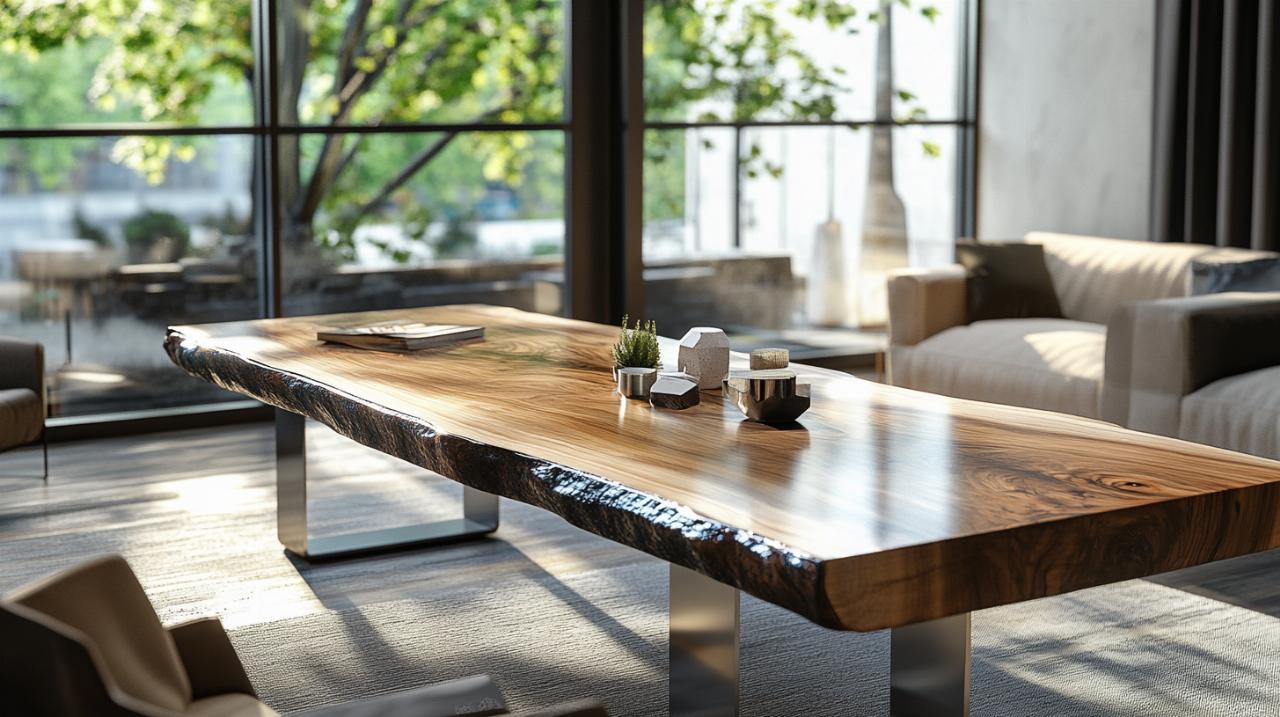
Preparing surfaces through sanding and managing humidity before application
The success of a wax finish hinges largely on meticulous surface preparation. Sanding plays a critical role in this process, as it smooths out imperfections and opens up the pores of the wood, allowing the wax to adhere more effectively. The choice of grit depends on the condition of the surface; coarser grades are suitable for initial levelling, whilst finer papers refine the texture to a silky smoothness. Beyond sanding, managing environmental factors such as humidity is equally important. Excessive moisture in the air can interfere with the wax's ability to set properly, leading to a patchy or uneven finish. Conversely, overly dry conditions may cause the wax to be absorbed too quickly, preventing adequate coverage. Striking the right balance ensures that the wax bonds well and delivers a consistent appearance across the entire surface.
Building durable wax layers whilst protecting against water damage
Applying wax in multiple thin layers is far more effective than attempting to achieve full coverage in a single pass. Each coat should be allowed to dry before the next is applied, with gentle buffing in between to build up a resilient finish that offers genuine protection. This layering technique not only enhances durability but also deepens the sheen and brings out the natural beauty of the material. However, it is important to acknowledge that wax finishes are not entirely waterproof, and prolonged exposure to moisture can compromise their effectiveness. For this reason, waxed surfaces are best suited to areas where water contact is minimal or can be promptly wiped away. Regular reapplication, typically once or twice a year, will maintain the protective qualities and keep the finish looking fresh and inviting.
Paint solutions: transformative colour and robust surface protection
When a more dramatic transformation is desired, paint offers an unparalleled opportunity to introduce vibrant colour and robust protection in one step. Whether you are working with interior wood panelling, exterior cladding, or metal railings, the right paint can completely alter the aesthetic whilst providing a hard-wearing shield against the elements. With an extensive selection of decorating products available, including offerings from well-regarded brands such as Dulux, Crown, and Zinsser, there is a solution for virtually every application, from metal paint for gates and fences to interior and exterior paints suited to a variety of substrates.
Choosing paint products and understanding turpentine-based preparations
Selecting the appropriate paint involves considering factors such as the surface material, the environment it will be exposed to, and the desired finish. For interior projects, paints with lower volatile organic compound levels and faster drying times are often preferred, ensuring that spaces can be occupied soon after application. Exterior paints, on the other hand, must withstand harsher conditions, including ultraviolet exposure, temperature fluctuations, and moisture ingress. Metal paint formulations are specifically engineered to adhere to non-porous surfaces and prevent rust, making them indispensable for railings, gates, and other metalwork. Turpentine-based preparations, whilst less common in modern formulations, are still valued for their ability to thin certain oil-based paints and clean brushes effectively. Understanding the properties of these preparations allows for better control over viscosity and application, ensuring a smooth, even coat that adheres well and cures properly.
Finish Options and Ongoing Maintenance for Painted Wood and Metal
Painted finishes come in a variety of sheens, from matte to satin and glossy, each offering different visual effects and practical benefits. Matte finishes are excellent at concealing minor imperfections and provide a contemporary, understated look. Satin finishes strike a balance between elegance and practicality, offering a subtle sheen that is easier to clean than matte whilst remaining less reflective than gloss. Glossy finishes, meanwhile, deliver maximum reflectivity and are particularly durable, making them ideal for high-traffic areas and surfaces that require frequent cleaning. Ongoing maintenance of painted surfaces is relatively straightforward, involving regular cleaning with mild detergents and periodic inspections for chips or wear. Touch-ups can be carried out as needed, and in some cases, a fresh topcoat every few years will rejuvenate the appearance and extend the lifespan of the finish. For those placing orders for materials, it is worth noting that UK delivery is available, with free delivery offered on orders exceeding fifty pounds, making it convenient to obtain all the necessary paints, brushes, and workwear in one transaction.
 Decorate with a low budget
 Natural Décor
 How to Decorate on a Budget
 Choosing the perfect pergola: expert tips and styles to enhance your outdoor space
 Creating a rustic ambiance: french country home inspiration
 From Ancient Temples to Modern Living Rooms: How to Use a Reed Diffuser Throughout History